The trade-off that needs to be made now
Anyone wanting to achieve the same level of insight on an alternative stack quickly ends up stacking five to ten separate tools. Each with its own configuration, update cycle, and integration interface. The license costs might be lower, but the sum of management, connections, and manual work rarely is.
In the public cloud, there is another factor at play. Monitoring services like AWS CloudWatch and Azure Monitor charge per metric. Anyone wanting full observability pays for it per data point. The base price looks attractive, but the bill grows along with the level of insight you want.
In VCF 9, data streams from all virtual machines, network components, and storage systems are already part of the platform. The reporting layer is not an add-on but an integrated feature, and the price is part of the platform costs. The comparison that needs to be made now is therefore not just about licenses. It is about hours, management burden, and the question of which insights an organization wants to have available as standard, for whom, and at what total price.
Insight as part of the architecture
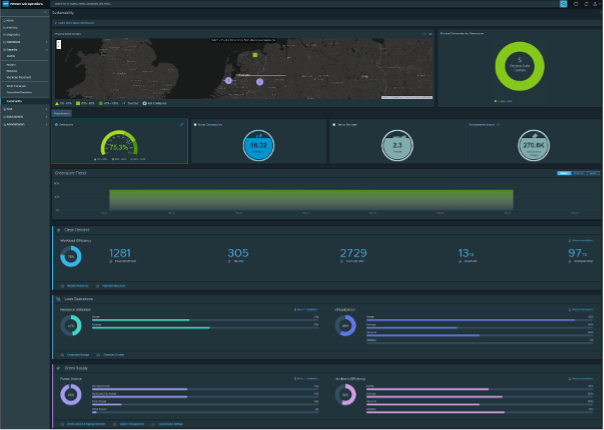
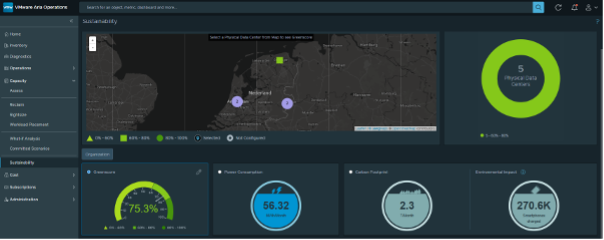
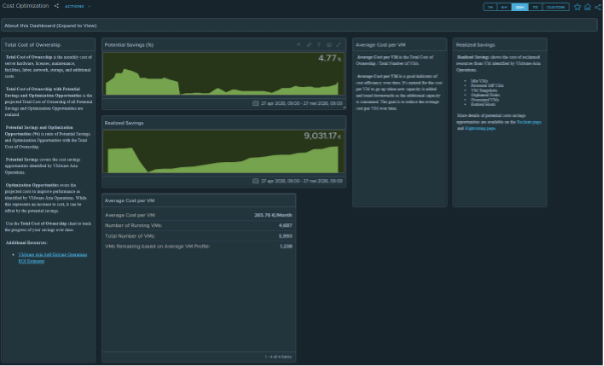
Compliance, sustainability, and financial insight in VCF 9 are a natural result of how the platform is built. All relevant data is already present. The reporting layer makes that data usable for the layers of the organization that need it, from the security officer requiring an ISO report to the buyer expecting a CO₂ overview for a tender.
Curious about what VCF 9 means for your environment, compliance, and platform costs? Contact us for an exploratory conversation and technical analysis.